
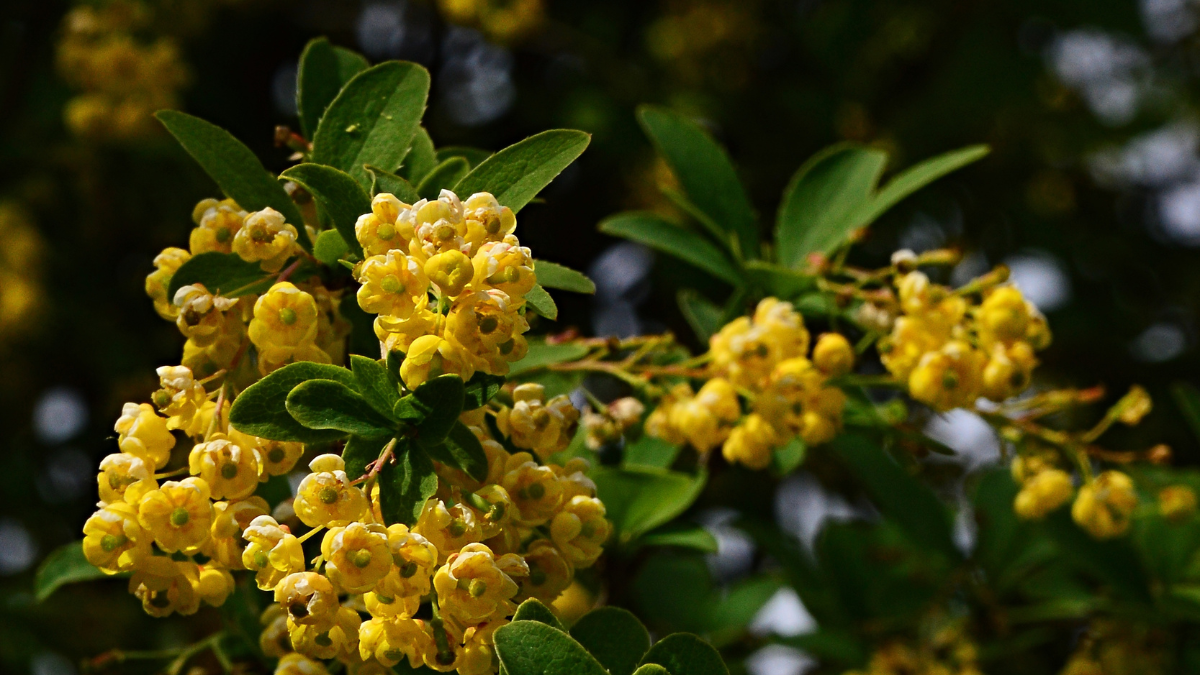
Hanging small yellow flowers and young leaves of Barberry Berberis
How Berberine Helped Me Lower Insulin & Blood Sugar — And Why It Might Help You Too
For years I struggled with stubborn blood sugar swings, insulin resistance, and the nagging feeling that my body just wasn’t processing energy the way it should. Despite eating “healthy,” I’d still experience:
Mid-afternoon crashes
Stubborn belly fat
High fasting glucose
Higher blood pressure than I expected
I tried diet tweaks, sleep hacks, and workouts, but the underlying issue (insulin dysfunction) kept coming back. That’s when I started researching natural approaches and came across berberine.
Here’s a link to a Berberine I’ve used before in the past to help with my own high insulin and glucose levels: https://amzn.to/4aFxlux
What Is Berberine?
Berberine is a bioactive compound found in several plants, including barberry, goldenseal, and Oregon grape. It’s been used in traditional medicine for centuries, but only recently has science started confirming its potential benefits for metabolic health.
How Berberine Changed My Body
After working berberine into my daily routine consistently for a few months, here's what I noticed:
✅ 1. My Blood Sugar Became Much More Stable
My fasting glucose dropped naturally, and I didn’t have those intense after-meal spikes anymore.
✅ 2. My Insulin Sensitivity Improved
Lab tests showed my insulin levels were lower for the same glucose load- meaning my body wasn’t overproducing insulin to compensate. This is huge because insulin resistance is a root driver of fat storage, inflammation, and metabolic dysfunction.
✅ 3. I Had More Steady Energy
Without constant blood sugar swings, my focus and physical energy became more reliable throughout the day.
✅ 4. My Body Composition Shifted
As my metabolic signalling improved, I noticed a gradual decrease in stubborn fat around my waist- something diet and gym alone hadn’t delivered.
What the Science Says
The improvements I experienced aren’t just anecdotal — research backs this up.
One particularly strong clinical trial published in Metabolism (Zhang et al., 2008) looked at adults with type 2 diabetes and compared berberine to traditional glucose-lowering medication. Over 3 months, the berberine group experienced:
Significant reductions in fasting blood glucose
Lowered post-meal glucose levels
Improved insulin sensitivity
Comparable results to standard pharmaceuticals — but with fewer side effects
This suggests that berberine doesn’t just mask symptoms- it targets insulin signalling at its core, helping your cells respond to insulin more effectively rather than forcing the pancreas to produce more.
How Berberine Works
Berberine’s beneficial effects are thought to come from its ability to activate AMP-activated protein kinase (AMPK)- sometimes called the “metabolic master switch.” AMPK helps regulate:
Glucose uptake
Fat burning
Insulin sensitivity
Cellular energy balance
This mechanism is similar to how drugs like metformin work, but berberine provides a natural alternative that many people tolerate well.
How I Take It
While individual needs vary, I found the most consistent results with:
500 mg of berberine, 2–3 times per day
(taken with meals to support glucose control)Consistent tracking and monitoring — blood sugar, fasting insulin, and body metrics
As always, if you’re on medication for blood sugar, insulin, or blood pressure, talk with your healthcare provider before adding berberine — it can enhance glucose-lowering effects.
Should You Try It?
If you’re experiencing signs of insulin resistance - fatigue, cravings, belly fat, high fasting glucose, or stubborn BP- berberine may be worth considering as part of an overall strategy (including diet, sleep, and activity).
In my case, it was a game changer because it helped address the core metabolic signalling problem, not just the symptoms.