
Welcome to This Week’s Healing Stack
Your go-to guide for gut health, metabolic repair, and anti-inflammatory living. Each week, you’ll get practical, science-backed insights to help you heal from the inside out - including low-carb nutrition tips, smart food swaps, and proven tools for energy and longevity.
From the Eat to Heal Guide, every edition includes:
🥑 1 Healing Food – nutrient-dense, real ingredients that restore balance.
🔁 1 Smart Swap – simple changes that make everyday meals cleaner.
⚡ 1 High-Impact Tip – actionable advice you can apply right away.
This weekly stack is designed to help you:
✅ Balance blood sugar and end the crash-and-crave cycle.
✅ Reduce bloating, brain fog, and inflammation.
✅ Sleep deeper, focus better, and feel calmer.
✅ Regain control of your energy and mood — naturally.
🐟 Healing Food: SARDINES
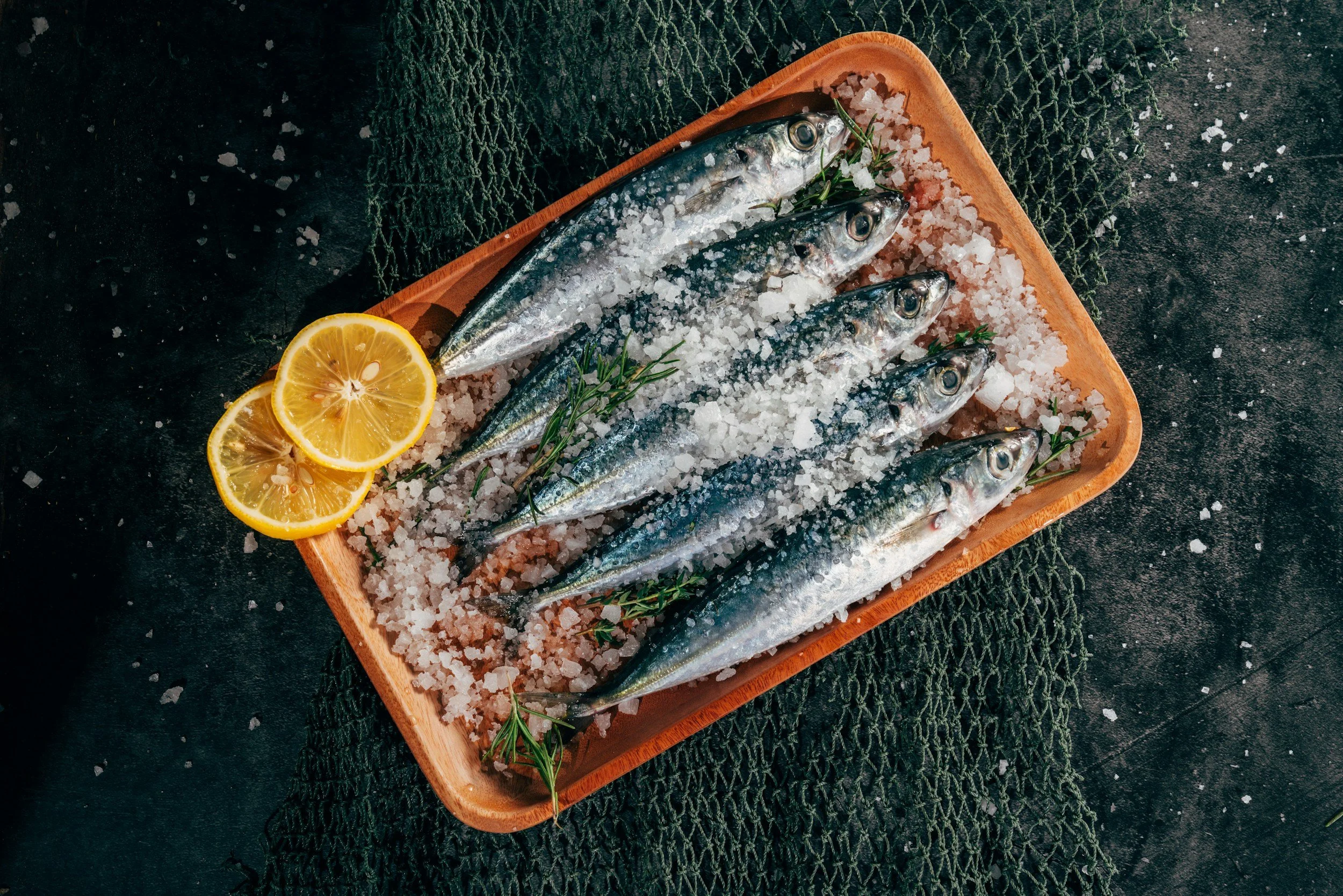
Packed with brain-boosting DHA and EPA, sardines are one of nature’s most complete healing foods. These omega-3 fats help reduce inflammation and support healthy brain function, while their vitamin D content lifts mood and strengthens immunity — especially valuable through the darker winter months. They’re also rich in vitamin B12 and selenium for energy and thyroid support, plus calcium from their soft, edible bones, making them a powerhouse for bone health. High in protein, naturally low in mercury, and surprisingly affordable, sardines truly earn their title as a nutrient-dense healing hero.
Easy ways to enjoy them? Try blending a tin with olive oil, lemon, capers, and parsley for a quick sardine pâté; mash them into avocado “boats” with a squeeze of lemon and sea salt; or toss them into a five-minute omelette with eggs and a little cheddar or feta, finished with ghee. However you serve them, you’ll be fuelling your body with omega-3s, vitamin D, calcium, and clean protein — all key allies in a low-inflammatory, budget-friendly diet.
🔄 This Week's Smart Swap: TOXIC SEED OILS ➡ Benefitical Clean Oils

Why Seed Oils Don’t Belong in a Healing Kitchen
Most supermarket “vegetable oils” — including canola (rapeseed), sunflower, soybean, and corn — are anything but natural. They’re ultra-processed: seeds are heated, chemically extracted, deodorised, and sometimes even “winterised” to keep them clear on the shelf. That process damages the delicate fats, creating oxidation by-products your body doesn’t need. These oils also deliver large doses of omega-6 (linoleic acid), which can tip your diet toward chronic inflammation — especially when combined with sugar and other ultra-processed foods.
Better Fats to Cook and Live With
Extra-virgin olive oil (EVOO): Minimally processed and rich in protective polyphenols. Ideal for dressings, drizzling, and gentle cooking.
Avocado oil: Naturally high in monounsaturated fats with a neutral flavour; handles medium-high heat well.
Coconut oil: Contains stable saturated fats — perfect for frying, baking, and adding a subtle coconut note.
Ghee (clarified butter): Free from most lactose and casein; highly stable and delicious for high-heat sautéing.
Duck fat / beef tallow: Traditional animal fats that add rich flavour and cook beautifully at high temperatures.
Butter: Nutrient-dense and satisfying; best for low-to-medium heat or finishing dishes.
How to Use Them
High heat: ghee, duck fat, tallow, avocado oil, coconut oil
Medium heat: butter (watch for browning), EVOO, avocado oil
Cold / finishing: EVOO, melted butter, ghee drizzle, or avocado oil mayo
Label Traps to Avoid
Be cautious with “vegetable oil” blends — they often hide cheap seed oils.
“Light olive oil” is usually refined and stripped of its polyphenols.
“High-oleic” seed oils are slightly better but still ultra-processed, so use sparingly.
And remember: “heart-healthy” on the label doesn’t always mean minimally processed.
Storage & Quality
Buy oils in dark glass bottles and store them away from heat and light.
Stick to short, recognisable ingredient lists and avoid anything labelled refined, deodorised, or hydrogenated.
Easy Swaps This Week
Use EVOO instead of vegetable oil in salad dressings.
Roast potatoes in ghee or duck fat instead of sunflower or canola oil.
Swap shop-bought mayo (often seed oil–based) for avocado oil mayo or make your own with EVOO.
Finish cooked vegetables with butter or olive oil instead of “spray oils.”
Bottom Line
When you prioritise minimally processed, stable fats, your food tastes better, keeps you full for longer, and supports steady energy — without the inflammation baggage that comes with seed oils.
⚡ 1 High-Impact Tip: 10–15 minute walk right after meals (especially dinner)

Why It Works
Even a short, easy walk right after eating can make a huge difference. Movement helps your muscles absorb glucose from your bloodstream, flattening the post-meal spike and keeping your energy and mood steady. It’s one of the simplest, most effective daily habits you can build — rain or shine.
How to Do It
Start your walk within ten minutes of finishing your meal. Aim for around 1,000–1,500 steps (roughly 10–15 minutes at a relaxed, conversational pace). If the weather’s bad, don’t skip it — march in place, walk the stairs, loop your hallway, or do a light kettlebell carry. The goal is simply to move.
Keep your trainers and hoodie ready by the door so there’s no excuse. Make it a ritual: plates down, shoes on. Track your progress — seven dinners, seven walks this week.
The Payoff
Just ten minutes after dinner can do more for your long-term metabolic health than years of restrictive diets. Regular post-meal walks improve insulin sensitivity, lower glucose spikes, support better sleep, and help you feel calmer and more balanced. Consistency beats intensity — start tonight, and keep it going for seven days.